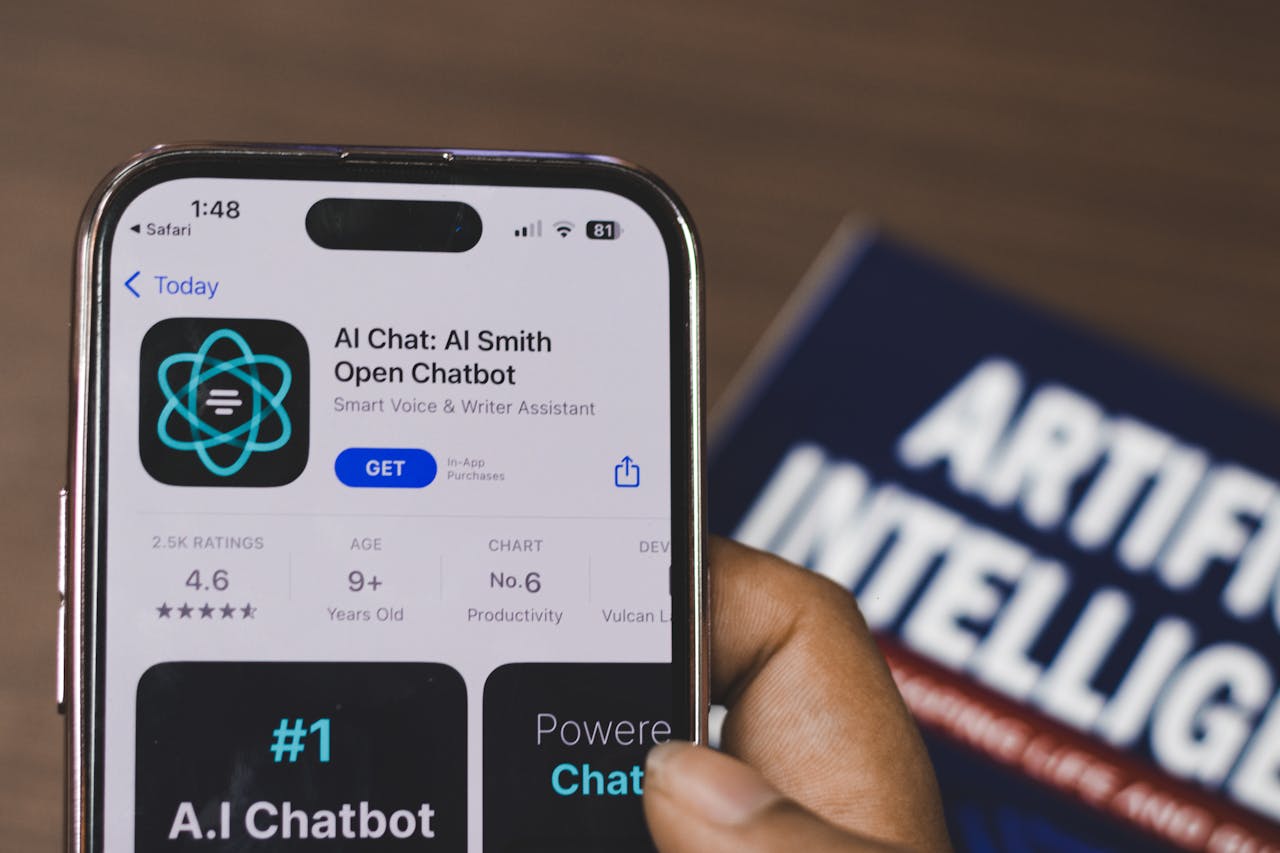
For B2B software and SaaS companies, the buyer’s journey has fundamentally transformed. Modern tech buyers are skipping traditional review portals and turning directly to conversational AI engines to build their procurement lists, using prompts like: “What are the top-rated cloud security tools for remote teams in the UK?”
If your software product isn’t being pulled into those generated responses, you are missing out on high-intent pipeline leads. Unlike traditional search, getting recommended by LLMs (Large Language Models) isn’t about buying ads or stuffing keywords. It requires an understanding of how OpenAI’s OAI-SearchBot and Anthropic’s crawlers ingest, verify, and cite product information.
Follow this three-step blueprint to ensure your platform is chosen, cited, and recommended across ChatGPT and Claude.
1. Optimize Your Data for Retrieval-Augmented Generation (RAG)
When a user asks an AI assistant for a software recommendation, the system performs a real-time web search using a process called Retrieval-Augmented Generation (RAG). The AI bots scrape the web to pull relevant data packets, synthesize them, and construct an answer.
If your website hides its product details, pricing tables, or features behind heavy scripts or gated login walls, the AI crawlers cannot parse it. To fix this, you must structure your content with highly scannable text, explicit tabular comparisons, and clear headers. Providing an expert content writing service allows you to format your software pages so they act as prime data sources that AI web scrapers can easily clip and cite.
2. Build a Dense Multi-Source Verification Web
AI models do not trust self-proclaimed claims on your homepage. Before ChatGPT or Claude names your software as a top tool, it verifies your brand’s legitimacy by cross-referencing third-party databases.
The algorithms scan independent tech directories, unlinked brand mentions on major news sites, tech forums, and developer repositories. To build this consensus web, your software must maintain perfectly consistent data across all major platforms. This is why off-page entity alignment—similar to the principles behind comprehensive local map optimisation for local companies—is highly critical for global software platforms. The more independent sources that link your brand name to specific software categories, the higher your AI citation frequency becomes.
3. Deploy Named Entity Schema Markup
To remove any ambiguity for AI crawlers, your code must speak their language. Utilizing basic metadata is no longer sufficient; your software site should feature highly specific structured data schemas (such as SoftwareApplication or Product types).
Explicitly define your product’s operating systems, application categories, pricing tiers, and verified customer reviews in clean JSON-LD format. This allows the semantic search engines to instantly extract your product data without guessing, making it incredibly simple for the LLM to format your brand as a direct clickable link in its chat response.
Securing Your Position in AI Search
Dominating the future of conversational search requires moving beyond traditional search marketing strategies. As AI platforms continue to replace standard search behaviors, tech brands must audit how data models perceive their overall digital footprint.
Ready to find out if your software is visible to modern AI crawlers? Consider booking a free SEO audit today. We will map out your current citation status across major LLMs and build an actionable technical blueprint to place your software product at the center of the AI search revolution.